Top Plumbing Tips: How to Avoid Common Home Plumbing Issues
Homeowners frequently face a variety of plumbing problems which can cause costly repairs. Grasping essential preventive practices is essential for maintaining a functional plumbing system. Regular inspections and simple maintenance tasks can make a significant difference in avoiding major problems. Equipped with the right tools and knowledge, homeowners can manage many situations themselves. However, knowing when to seek professional assistance is just as critical. The guidance outlined here will help streamline plumbing care practices.
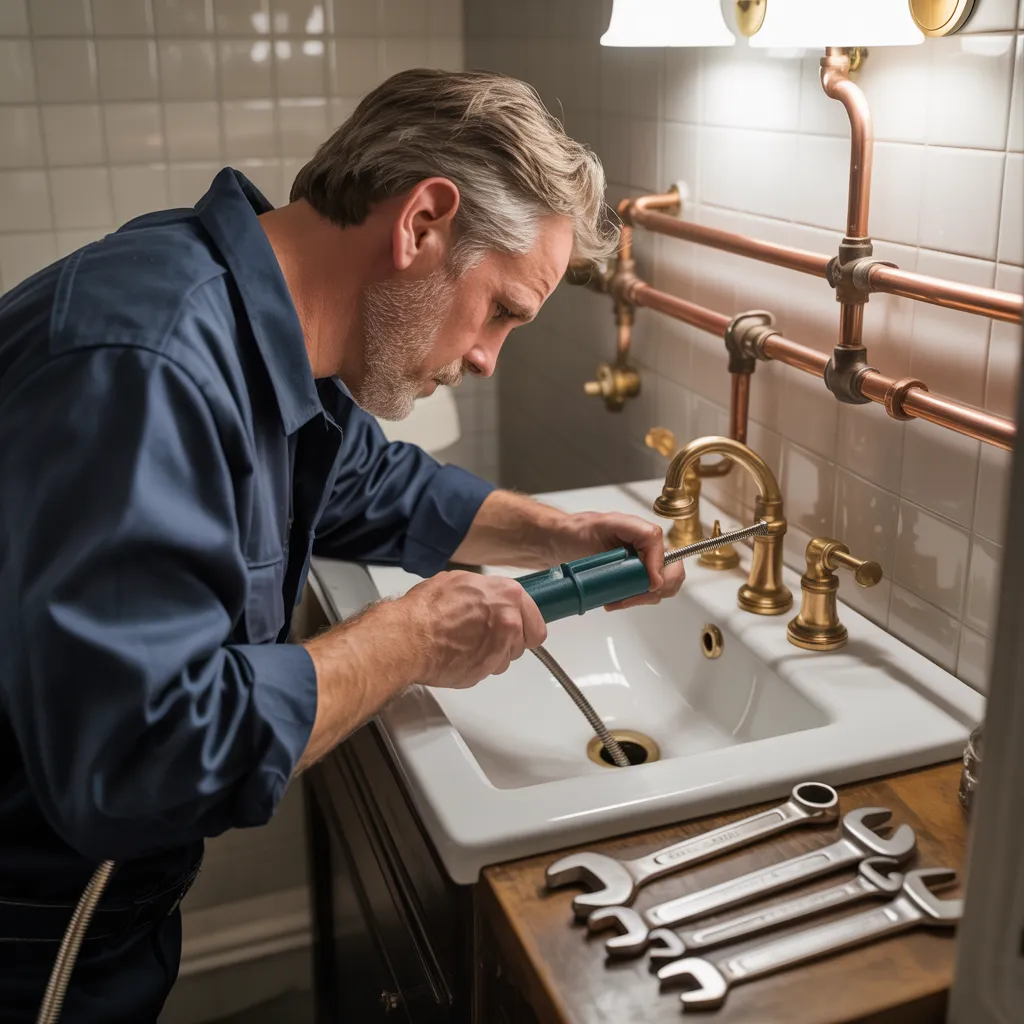
Key Plumbing Tools That Every Homeowner Should Have
When homeowners encounter plumbing issues, having the proper tools available can be incredibly beneficial. Necessary tools for handling typical plumbing concerns include a plunger, which is vital for clearing clogged drains, and a pipe wrench, which delivers the leverage required for securing or removing plumbing connections. A basin wrench is likewise useful for accessing confined areas and fastening faucet connections.
In addition, a set of adjustable wrenches allows for adaptability across various sizes of nuts and bolts. It is advisable for homeowners to invest in a plumbing snake to tackle deeper clogs within pipes. Teflon tape is also an important tool, perfect for maintaining secure, leak-free connections. To round things out, a reliable bucket can assist in managing unexpected spills while making repairs. Equipping oneself with these basic tools enables homeowners to address minor plumbing issues promptly, helping to save time and money and minimizing unnecessary stress.
Stopping Common Plumbing Concerns
Homeowners can greatly reduce the likelihood of plumbing issues by adopting proactive maintenance habits. Regularly inspecting pipes and fixtures for leaks can assist in detecting issues before they worsen. Making sure that drains remain free of debris helps avoid clogs and encourages proper water flow. Installing strainers in sinks and tubs is recommended to trap hair and food remnants, which commonly cause drainage blockages.
Moreover, homeowners are advised to routinely inspect the water pressure by means of a gauge, as extremely high water pressure can strain pipes and lead to leaks. Draining water heaters once a year gets rid of sediment buildup, improving efficiency and extending lifespan. Insulating exposed pipes in colder areas can avoid pipe freezing and bursting throughout the winter season. Lastly, knowing where the main shut-off valve is located can reduce response time and minimize damage during emergencies. By following these proactive measures, homeowners can secure their plumbing systems and steer clear of costly repairs.
Fundamental DIY Plumbing Tips for Homeowners
Numerous homeowners stand to gain from fundamental DIY plumbing advice that empower them to tackle minor issues independently. First, having a plunger and a drain snake readily available can efficiently eliminate blockages. Homeowners should know how to turn off the water supply to avoid flooding during repairs. Regularly checking for leaks under sinks and around toilets can help avoid water loss and structural damage. Using a mixture of baking soda and vinegar can help maintain clear drains without the use of strong chemicals.
When dealing with small repairs, like swapping out a faucet or resolving a running toilet, it is important for homeowners to get comfortable using fundamental tools like wrenches and screwdrivers. Furthermore, having a solid grasp of plumbing system layouts can help in spotting problems efficiently. Finally, maintaining a clean and organized workspace will enhance efficiency during any plumbing project. Following these key DIY recommendations can reduce time and costs while maintaining a properly operating home plumbing system.
When Should You Call a Pro for Plumbing Help?
How can homeowners recognize the right moment to contact a plumbing expert? Recognizing the signs of a serious plumbing issue is critical for homeowners. If a minor leak escalates into a significant flow of water, or if persistent clogs resist all DIY methods, it's time to call a professional. Unusual noises from pipes or foul sewer scents can signal deeper problems that require expert intervention. Additionally, if the water pressure becomes inconsistent or disappears, this may indicate a serious underlying issue.
Property owners should likewise consider reaching out to a professional whenever plumbing projects demand complicated installations or major repairs outside their expertise. Ignoring these symptoms can lead to more costly repairs and property damage. At the end of the day, recognizing when to bring in an expert ensures plumbing concerns are resolved quickly and properly, preserving both the home's condition and the homeowner's peace of mind.
Learn the Essentials of Your Home's Plumbing System
Understanding the basics of a home's plumbing system is critical for effective maintenance and troubleshooting. A typical residential plumbing system comprises various components, including pipes, fixtures, and appliances. The central water supply line provides clean water, while drain lines channel wastewater out. Homeowners should become acquainted with the location of shut-off valves to quickly address potential leaks or emergencies.
Furthermore, recognizing the distinctions between supply and drainage systems can aid in diagnosing issues. Pressurized supply lines are responsible for delivering water, while drainage lines use gravity to dispose of waste. Regularly checking for signs of wear, such as drips or rust, can prevent larger problems down the line. Knowledge of how these systems work enables homeowners to make educated choices about upkeep and repair work, leading to reduced expenses and saved time. By mastering these basic concepts, homeowners can more effectively handle their plumbing requirements and prevent frequent mistakes.
Plumbing Maintenance Checklist by Season
Routine seasonal plumbing care is vital for minimizing costly repairs and maintaining efficient home system performance. Homeowners ought to regularly check pipes for leaks, review the condition of their water heater, and clear gutters and drains to avoid blockages. This proactive approach can greatly enhance the longevity and reliability of plumbing systems.
Check Pipes For Leaks
Inspecting pipes for leaks is an essential step in maintaining a home's plumbing system. Homeowners are advised to routinely inspect both exposed and concealed pipes, especially in locations such as basements, beneath sinks, and near water fixtures. Signs of leaks may include water stains, dampness, or mold growth. Employing a flashlight can aid in detecting tiny cracks or trickles that could otherwise remain hidden. It is equally important to keep an eye on water bills for any unusual spikes, as these may point to concealed leaks. As an extra safety measure, homeowners might think about setting up leak detection devices that notify them of any moisture buildup. Quickly resolving any identified leaks is essential to avoiding more serious problems, including structural deterioration or mold spread, safeguarding the plumbing system over time.
Assess Water Heater Functionality
Regularly checking the water heater function is essential for maintaining efficient plumbing in any home. Residents should check the thermostat settings to ensure they are set to the recommended temperature, typically around 120 degrees Fahrenheit. This not only saves energy but also prevents scalding. In addition, inspecting the pressure relief valve for adequate performance is critical; a malfunctioning valve can lead to hazardous pressure accumulation. Sediment buildup can also compromise efficiency, so draining the tank once a year is advised to maximize the unit's lifespan. Moreover, inspecting for leaks or corrosion around the heater can prevent more significant issues down the line. By regularly monitoring these aspects, homeowners can guarantee their water heater functions properly and securely.
Maintain Gutters And Drains
Preserving clean drains and gutters is essential for avoiding water damage and ensuring proper drainage around the home. As time passes, debris such as twigs, leaves, and dirt can accumulate, impeding water flow. This blockage may lead to overflow, causing potential damage to the foundation, roof, and walls. Routine inspection and cleaning, particularly before heavy rainfall or seasonal changes, are critical. Homeowners may want to consider using a sturdy ladder to access gutters safely or engaging professionals for comprehensive maintenance. Additionally, fitting gutter guards can reduce debris accumulation and lower cleaning frequency. Properly find here functioning drains are equally important; ensuring they are free from clogs can prevent unpleasant odors and backups, promoting a healthier home environment.
Sustainable Plumbing Practices for an Eco-Friendly Household
More homeowners are becoming aware of the need for environmentally conscious plumbing methods to encourage green living. Integrating water-efficient fixtures, such as low-flow faucets and dual-flush toilets, greatly reduces water usage without compromising functionality. Furthermore, the implementation of greywater recycling systems enables the repurposing of water from showers and sinks for landscape watering, further conserving resources.
Regular maintenance is essential; fixing leaks promptly can save gallons of water and reduce utility bills. Property owners can additionally explore using biodegradable drain cleaners to prevent harsh chemicals from harming the environment.
Selecting eco-friendly options, such as bamboo or recycled metals, for plumbing installations and repairs supports a more sustainable home. Furthermore, insulating pipes minimizes energy loss, improving overall effectiveness. By implementing these eco-friendly plumbing approaches, homeowners not only advance environmental conservation but also promote efficiency and long-term savings in their homes.
Common Questions and Answers
How Can I Detect Hidden Leaks in My Home?
To detect hidden leaks, one can check water bills for sudden rises, check walls and ceilings for signs of dampness, pay attention to strange noises in pipes, and utilize moisture meters or infrared cameras to identify potential issues.
What Are the Warning Signs of a Clogged Sewer Line?
Signs of a obstructed sewer line consist of slow drains, gurgling noises coming from fixtures, sewage overflow, foul smells, and water accumulating in your yard. These indicators suggest a obstruction requiring timely expert attention to avert widespread property damage.
How Often Should I Flush My Water Heater?
Homeowners should perform an annual water heater flush to clear out sediment deposits. Consistent maintenance helps enhance efficiency and prolongs the appliance's lifespan, maintaining peak performance and reducing the risk of potential issues related to mineral buildup over time.
Can I Use Chemical Drain Cleaners Safely?
Chemical drain cleaners may be used without issue, but care is required. Overuse may damage pipes and lead to hazardous fumes. Exploring alternative solutions or seeking professional advice for stubborn clogs is frequently recommended.
What Leads to Low Water Pressure in a Home?
Low water pressure in a home may stem from several different causes, like blocked pipes, leaks, faulty fixtures, or issues with the municipal water supply. Pinpointing the exact cause is essential for efficiently bringing water pressure back to normal.